Sustainability Trends in Alaska Real Estate Media
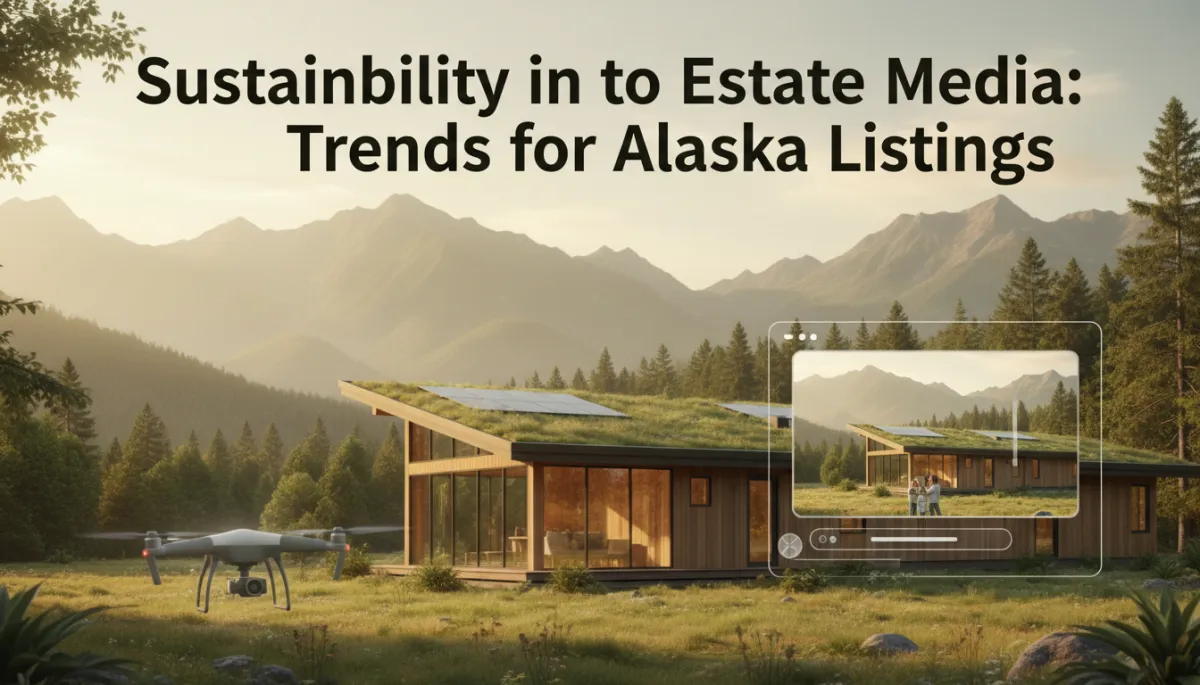
Sustainability in Real Estate Media: Trends for Alaska Listings
Sustainability is reshaping how homes are built, bought, and sold across the country—but in Alaska, the shift feels especially personal. With long winters, high energy costs, and communities spread across vast landscapes, eco-friendly choices can dramatically change monthly bills and daily comfort. Real estate media is stepping up to tell that story, turning sustainable features into powerful selling points in Alaska listings.
Why Sustainability Matters So Much in Alaska
In Alaska, Sustainability is not just a buzzword—it’s a practical necessity. Heating demands are intense, building materials work overtime, and utility costs can quickly climb. That’s why buyers are paying close attention to Eco-friendly Homes and Green Building Trends when browsing Alaska listings. A well-insulated house with efficient systems can mean the difference between a comfortable winter and a painfully expensive one.
Policy is reinforcing this shift. As of January 1, 2026, every residential property in Alaska must receive an energy rating before it can be listed for sale, and that report has to be shared with buyers and the state’s Department of Environmental Conservation (regulations.justia.com). For real estate professionals and media creators, that means energy performance is now a core part of the story—right alongside square footage and views.
The New Look of Eco-Friendly Homes in Alaska Listings
Eco-friendly Homes in Alaska don’t all look like futuristic cabins off the grid. Many are familiar ranches, townhomes, or fourplexes that quietly incorporate Sustainable Practices behind the scenes. Thanks to the Alaska Housing Finance Corporation’s Building Energy Efficiency Standards (BEES), a large share of new homes now follow modern energy guidelines, even though the state lacks a single mandatory energy code (database.aceee.org).
High-performance insulation and airtight envelopes that keep warm air in and cold air out, especially in harsh climates like Anchorage and the Mat‑Su Valley.
Triple-pane windows that reduce heat loss while still framing mountain, forest, or coastal views.
Heat recovery ventilation (HRV) systems that bring in fresh air without wasting the warmth you’ve already paid for.
Many newer Alaska listings also highlight modular or prefab construction. These homes are engineered for snow loads, cold-weather insulation, and efficient assembly, offering a cost-effective path to sustainable living (akhomehq.com). For buyers, that means less guesswork: the efficiency is built in from day one.
Green Building Trends Shaping Alaska’s Market
Green Building Trends in Alaska are evolving quickly, and Real Estate Media is learning to keep pace. In Anchorage, updated municipal codes that took effect in 2026 raised the bar for insulation and thermal performance, with attic R‑values and wall standards tailored to the city’s extreme climate (muni.org). These changes make energy-efficient construction the norm for new projects, not the exception.
At the same time, statewide initiatives are rewarding high-performance design. AHFC’s New Home Construction Rebate program, backed by $7 million in funding, offers $10,000 rebates for new single-family and small multi-unit homes that achieve a 5‑Star Plus energy rating (ahfc.us). By March 2026, over 200 homes had either received or reserved rebates, with millions still available. Those numbers matter in Real Estate Media: a rebate-eligible home isn’t just greener—it may also be more affordable for the next owner.
Rural Stories: Sustainability Beyond the Road System
Some of the most compelling Sustainability stories in Alaska Listings are unfolding far from the big cities. In villages served by the AVCP Regional Housing Authority, new homes built with structurally insulated panels, triple-pane windows, and thick blown-in insulation are dramatically reducing heating costs and improving comfort (omb.alaska.gov). These are Sustainable Practices tailored to remote communities, where fuel can be expensive and difficult to transport.
In places like Galena, homes are being designed with solar compatibility, extra-thick walls, and biomass heating that replaces tens of thousands of gallons of diesel each year (apnews.com). When Real Estate Media showcases these homes, it’s not just listing a property—it’s highlighting a resilient way of life that balances modern comfort with local resources.
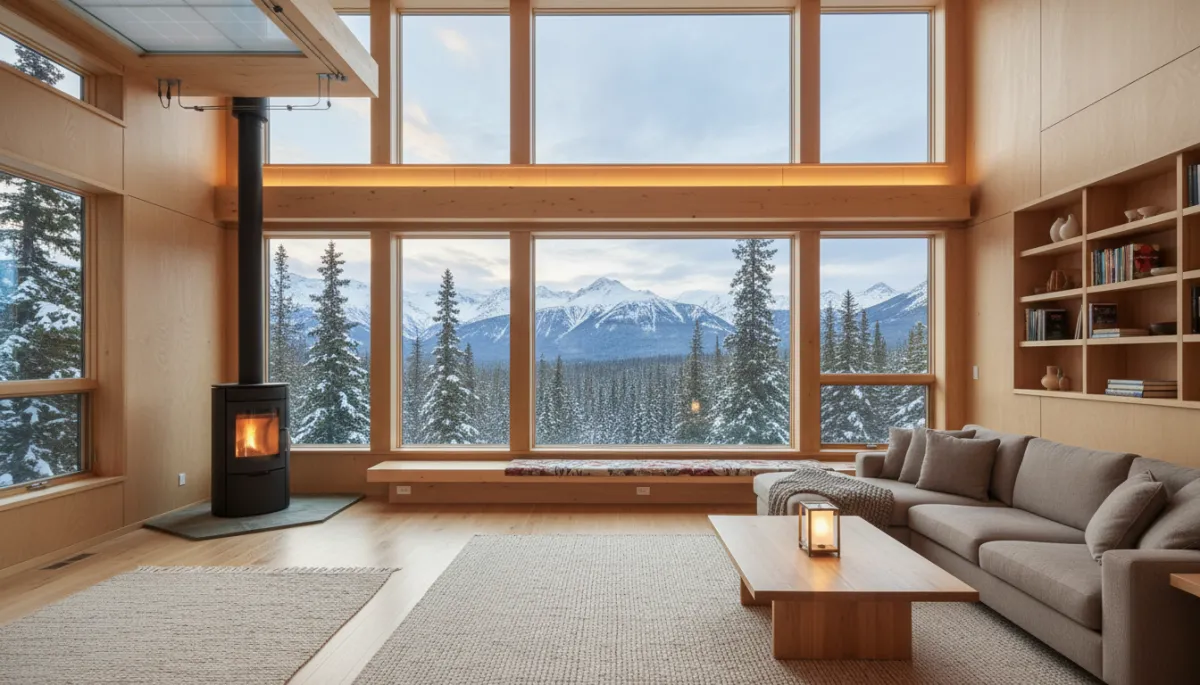
Thoughtful visuals help buyers immediately connect comfort with sustainable design features.
How Real Estate Media Is Evolving to Highlight Sustainability
With energy ratings, rebates, and green features becoming standard talking points, Real Estate Media in Alaska is undergoing its own quiet revolution. Photos, videos, and listing descriptions are no longer just about granite counters or open-concept layouts. They’re also about the invisible comforts: lower utility bills, better air quality, and homes that are built to handle wild temperature swings year after year.
Feature-focused photography: Close-ups of HRV controls, thick wall sections, window stickers showing U‑values, and solar-ready electrical panels help buyers see the value behind the walls.
Overlay graphics and captions: Simple callouts like “Estimated energy rating: 5‑Star Plus” or “Eligible for AHFC New Home Construction Rebate” make technical information approachable and friendly.
Story-driven video tours: Short walk-throughs where agents casually explain how triple-pane windows cut drafts or how an HRV keeps the air fresh help demystify green features.
💡 Friendly Tip for Agents and Media Creators: When you’re shooting Alaska listings, think like a winter homeowner. If a feature will make January feel warmer, quieter, or cheaper, give it prime screen time.
Turning Sustainable Practices into Clear Buyer Benefits
One of the biggest opportunities in Real Estate Media is translating Sustainable Practices into everyday language. Instead of listing “R‑60 attic insulation” and moving on, media professionals can explain what that means: a roof that holds heat better during long cold snaps, and a home that feels less drafty when the wind howls off the inlet. That friendly, plain-language approach builds trust and helps buyers compare Alaska listings more confidently.
The same goes for clean energy upgrades. A coastal home equipped with a new heat pump under the Accelerating Clean Energy Savings program, for example, might qualify for generous incentives and enjoy lower long-term heating costs (alaskapublic.org). When Real Estate Media clearly connects those dots—“this system could save you money every month”—sustainability stops feeling abstract and starts feeling like smart budgeting.
Looking Ahead: Sustainability as a Standard for Alaska Listings
As insurance costs, energy prices, and climate concerns rise, Sustainability is becoming a core part of how properties are valued nationwide. Industry surveys show that most real estate and finance leaders now see sustainability reporting as a higher priority than just a few years ago, and Alaska is very much part of that shift. In a market where construction costs are high and developable land is limited, efficient existing buildings are likely to hold their value better than energy-hungry ones.
For buyers, that’s encouraging news. Eco-friendly Homes are no longer niche; they’re increasingly the norm, from Anchorage condos built under modern codes to village housing that blends traditional knowledge with new materials. For sellers and agents, it’s a clear call to action: lean into Sustainable Practices, understand the latest Green Building Trends, and make sure your Real Estate Media showcases those strengths front and center.
Most of all, this shift is an opportunity to tell better stories. Each efficient window, insulated foundation, or biomass boiler is part of a bigger narrative about how Alaskans are building resilient, comfortable homes in a challenging environment. When Alaska listings highlight Sustainability with warmth and clarity, they don’t just sell properties—they share a vision of what living well in the Last Frontier can look like.
Make Your Next Utah Listing Stand Out
Great listings deserve great visuals. From professional real estate photography and drone imagery to video tours, floor plans, virtual staging, and more, DMD Real Estate Photography helps Alaska agents showcase properties at their best.
Ready to make your next listing more impressive and market-ready? Book your professional real estate media services today and give your property the attention it deserves.
